
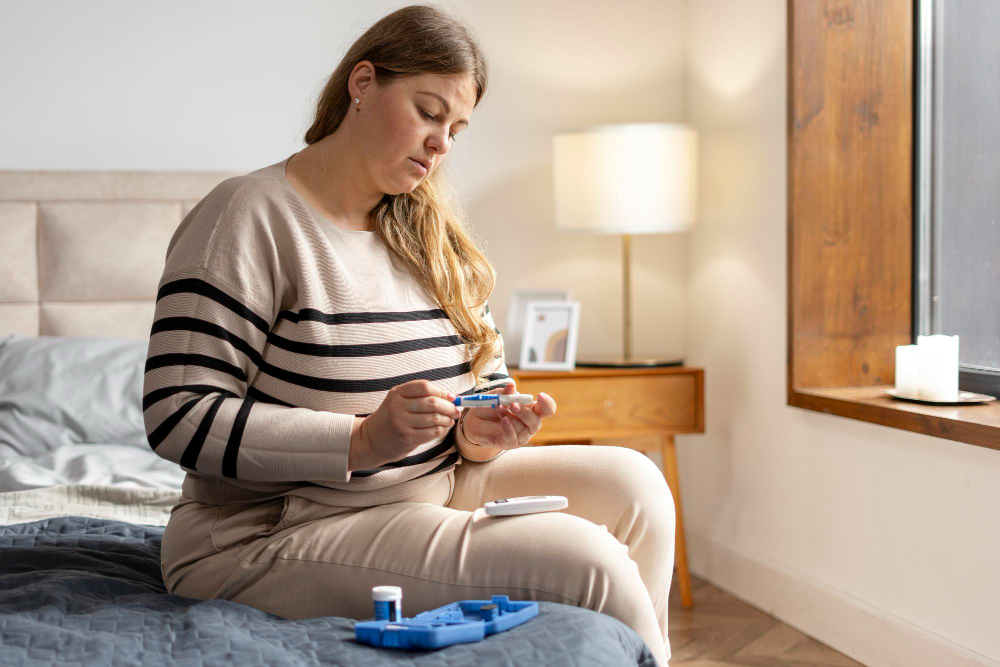
What Is Diabetes in Young Adults?
Diabetes is a health condition that affects how your body uses sugar for energy. In young adults, diabetes can develop quickly or over time. There are two main types: Type 1 and Type 2. Type 1 often starts in childhood or the teen years. However, Type 2 is now seen more often in young people due to changes in lifestyle. According to the CDC, rates of diabetes in young adults are rising, especially in cities and areas with less access to healthy foods. Because of this, knowing the early signs of diabetes in young adults is very important.
Common Early Symptoms of Diabetes
Sometimes, the first signs of diabetes are easy to miss. Still, catching them early can help prevent problems. Here are some common early symptoms of diabetes in young adults:
For example, you might notice you wake up at night to use the bathroom. Or, you may feel tired even after a full night’s sleep. If you notice these early signs of diabetes in young adults, it is wise to talk to a doctor.
Less Obvious Warning Signs to Watch For
Not all symptoms are clear at first. In fact, some warning signs of diabetes are less obvious. Still, they can signal a problem. Watch for these signs:
Additionally, mood changes or trouble focusing can also be early signs. Because these symptoms can be mild, many young people ignore them. Yet, noticing these warning signs of diabetes can help you get care sooner.
Causes and Risk Factors in Young Adults
There are several diabetes risk factors for young people. Some you can control, while others you cannot. Here are key risk factors:
For instance, if you have a parent with diabetes, your risk is higher. Also, young adults in urban areas may face more risk due to fast food and less outdoor activity. The CDC and WHO both note these trends in their reports.
How Diabetes Is Diagnosed
Doctors use simple tests to check for diabetes. First, they may ask about your symptoms and family history. Next, they will check your blood sugar levels. Common tests include:
If your results are high, your doctor may repeat the tests to confirm. Early testing is key because it helps you start treatment right away.
Why Early Detection Matters
Finding diabetes early can prevent serious health problems. For example, untreated diabetes can damage your eyes, nerves, and kidneys. It can also raise your risk of heart disease and stroke. Because young adults often feel healthy, they may not notice symptoms right away. Still, early detection lets you manage your blood sugar and avoid long-term damage. The American Diabetes Association stresses the importance of early care for young people.
Lifestyle Tips for Managing Diabetes Symptoms
With the right steps, you can manage diabetes symptoms and stay healthy. Here are some tips:
Additionally, joining a support group can help you stay on track. Many young adults find it easier to make changes with friends or family support.
Prevention Strategies for Young Adults
Although some risk factors cannot be changed, you can lower your risk of diabetes. Try these prevention strategies:
Even small changes can make a big difference. Because diabetes is becoming more common in young people, taking action now can protect your health in the future.