
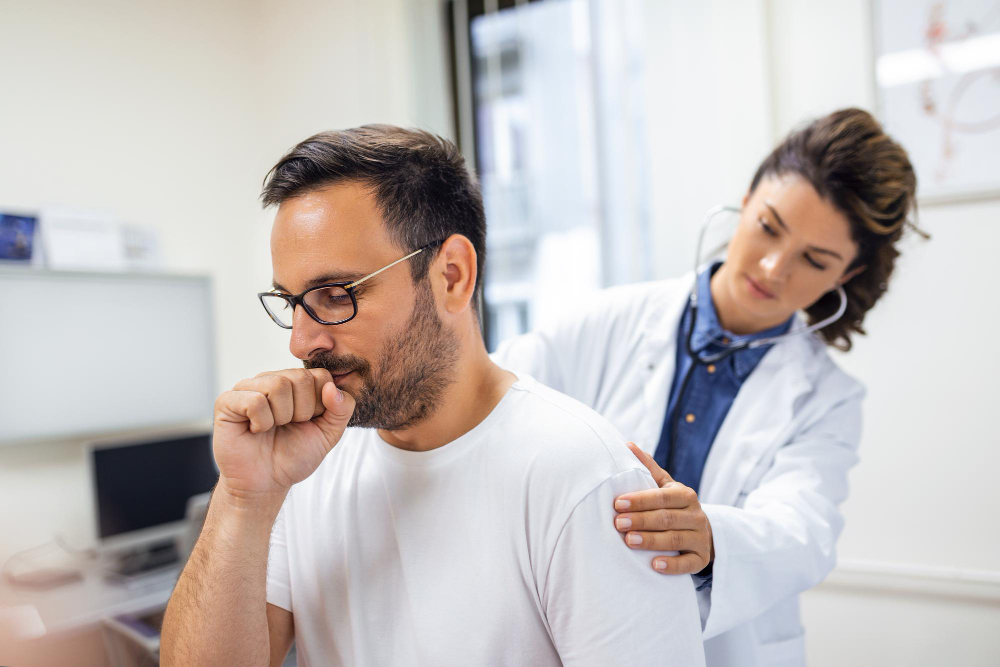
Many people miss the early signs of COPD because symptoms can start slowly. COPD, or chronic obstructive pulmonary disease, affects breathing and lung health. If you notice early symptoms of COPD, a lung function test can help find problems sooner. Early detection gives you a better chance to manage your health and slow the disease.
What Is COPD?
Chronic obstructive pulmonary disease, or COPD, is a long-term lung disease. It makes it hard to breathe because airflow is blocked. Usually, COPD includes two main conditions: chronic bronchitis and emphysema. Both damage the lungs over time. According to the World Health Organization, millions of people worldwide have COPD. In many cases, people do not know they have it until it gets worse.
Recognizing the Early Signs of COPD
At first, COPD symptoms may seem mild. However, they can get worse if you ignore them. Early signs of COPD often include:
Sometimes, people think these signs are just part of aging. But if you notice these symptoms, it is important to pay attention. Early symptoms of COPD can appear before you realize there is a problem.
Why Early Detection Matters
Early detection of COPD can make a big difference. When you catch COPD early, you can start treatment sooner. This can slow down lung damage and help you feel better. In addition, early care may reduce hospital visits and improve your quality of life. The Centers for Disease Control and Prevention (CDC) says that early treatment helps people stay active longer.
When Should You Consider a Lung Function Test?
Knowing when to get a lung test is important. You should consider lung function testing for COPD if you:
Even if you feel fine, you may still need a test if you have risk factors. Early testing can catch problems before they get severe.
How Lung Function Tests Work
Lung function tests, also called spirometry, check how well your lungs work. During the test, you blow into a tube connected to a machine. The machine measures how much air you can breathe in and out. It also checks how fast you can blow air out. These results help doctors find out if you have COPD or another lung problem. The test is simple, safe, and does not take long. Many clinics and hospitals offer lung function testing for COPD.
Risk Factors for COPD
Several things can raise your risk for COPD. Knowing these risk factors can help you protect your lungs. Common risk factors include:
While smoking is the main cause, many people with COPD have never smoked. Therefore, it is important to know all the risks.
Tips for Protecting Your Lung Health
Protecting your lungs can help prevent COPD or slow its progress. Here are some helpful tips:
For people living in cities with high air pollution, try to stay indoors on days when air quality is poor. Taking these steps can help you breathe easier and lower your risk of chronic obstructive pulmonary disease signs.