
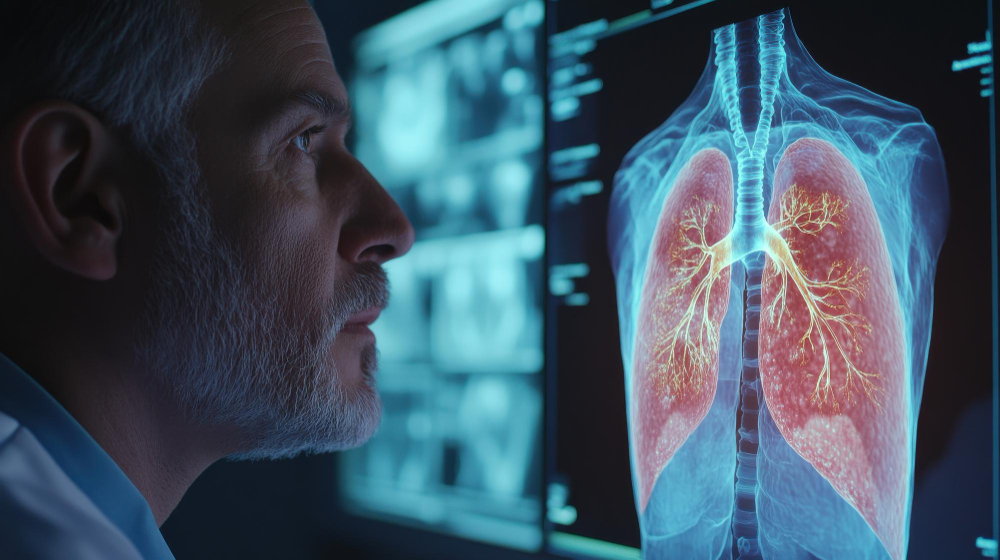
What Is Lung Cancer in Non-Smokers?
Lung cancer in non-smokers is a type of cancer that starts in the lungs of people who have never smoked or have smoked very little. Surprisingly, about 10 to 20 percent of lung cancer cases in the United States happen in non-smokers, according to the Centers for Disease Control and Prevention (CDC). Even though smoking is the main cause, non-smokers can still get lung cancer. For this reason, it is important to know the early signs of lung cancer and understand your risk, even if you have never smoked.
Early Signs and Symptoms
Often, lung cancer in non-smokers does not cause symptoms right away. However, some early signs of lung cancer can appear. Because these symptoms can be mild, many people may not notice them at first. Still, paying attention to changes in your health is important. For example, you should watch for:
Sometimes, these symptoms can be caused by other health problems. However, if you notice any of these signs, it is a good idea to talk with your doctor. Early detection can make a big difference.
Causes and Risk Factors (Specific to Non-Smokers)
Even if you have never smoked, you can still develop lung cancer. Several factors can increase non-smoker lung cancer risk. For instance, you may be exposed to harmful substances in your home or workplace. Here are some common causes and risk factors for lung cancer in non-smokers:
Because many of these risks are hard to avoid, knowing your environment and family history can help you stay alert.
How Lung Cancer Is Diagnosed
Doctors use several steps to diagnose lung cancer in non-smokers. First, they will ask about your symptoms and health history. Next, they may order tests to look for signs of cancer. For example, you might have:
Sometimes, doctors use blood tests or other scans to see if cancer has spread. Because early signs of lung cancer can be easy to miss, it is important to talk with your doctor if you notice any changes in your breathing or health.
Screening Recommendations for Non-Smokers
Screening means checking for lung cancer before you have symptoms. For most non-smokers, routine lung cancer screening is not recommended. However, some people with high non-smoker lung cancer risk may benefit from screening. For example, you may need screening if you have:
Low-dose CT scans are the main tool used for lung cancer screening. Still, you should talk with your doctor about your personal risk. In some cities, local health programs offer screening for people at higher risk, even if they have never smoked.
Prevention and Lifestyle Tips
While you cannot control every risk, you can take steps to lower your chance of lung cancer in non-smokers. For instance, you can:
Because early signs of lung cancer can be hard to spot, staying aware of your health is key. If you live in a city or area with high air pollution, take extra care to protect your lungs. By making healthy choices, you can help lower your risk and stay well.